Aida vs Linen: How to Choose the Best Fabric for Your Next Pattern
Choosing the right fabric for a embroidery or cross-stitch pattern shapes not just how easy the project feels, but the final look and longevity of the piece. Aida cloth and linen sit at opposite ends of the fabric spectrum: Aida offers a structured, gridlike surface that’s beginner-friendly, while linen provides a smooth, nuanced texture that rewards careful counting and steady hands. This guide breaks down what makes each fabric distinct, which patterns suit them best, and practical steps to pick the right one for your next project.
Understanding Aida cloth
What Aida is
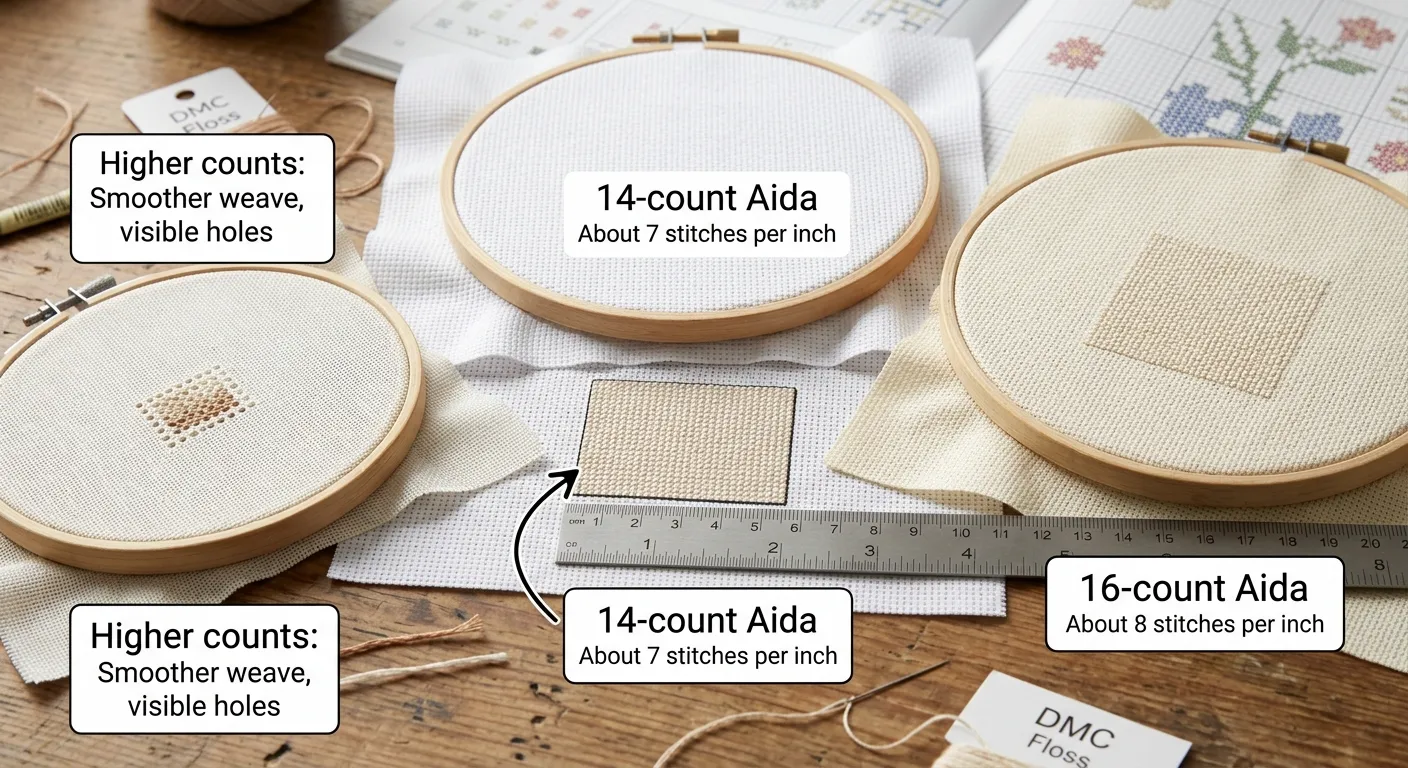
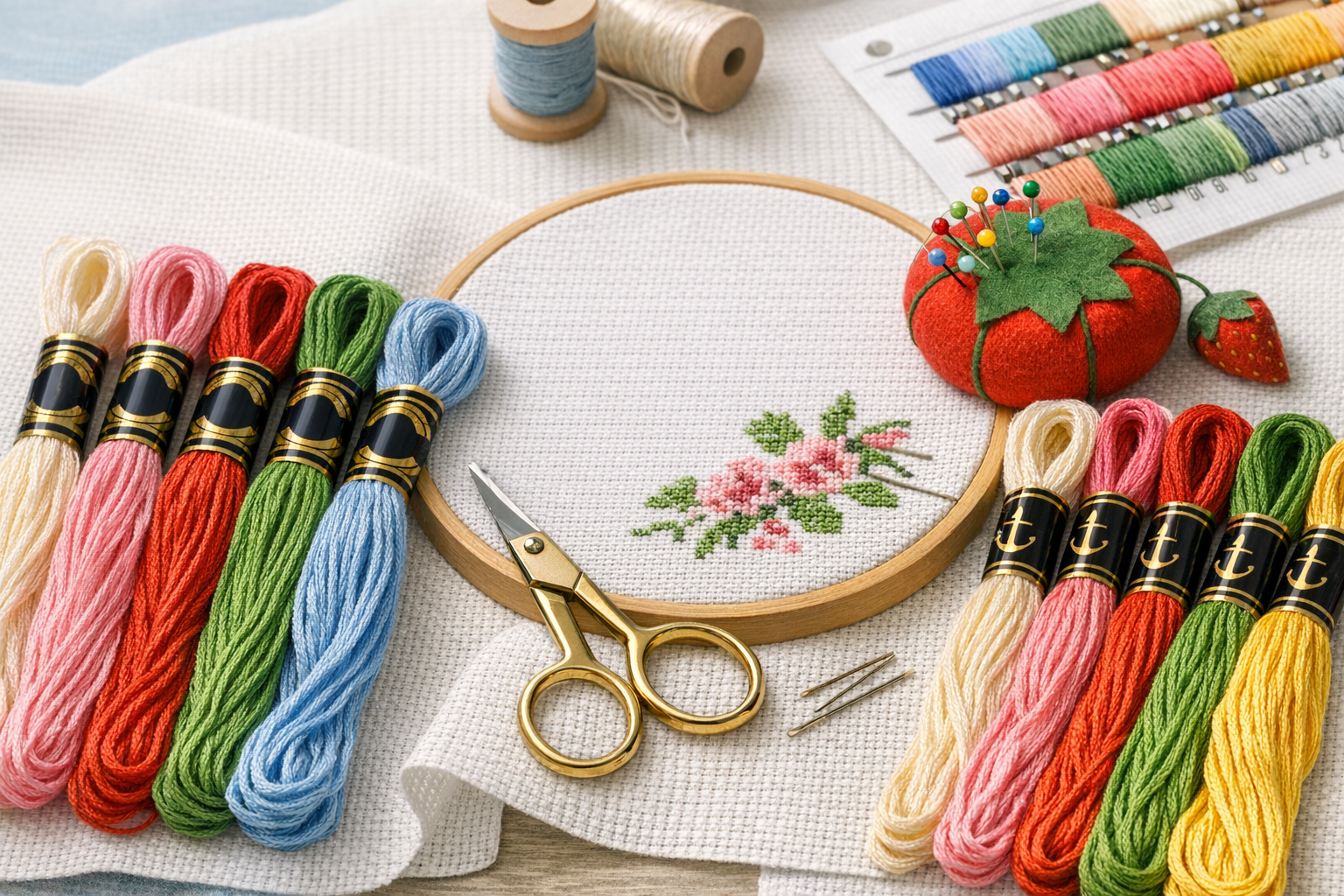
Aida cloth is a cotton fabric woven with evenly spaced holes that form a ready-made cross-stitch grid. The holes are visible because the weave intentionally creates a regular, open structure. This grid helps stitchers place each cross-stitch with precision, which is especially helpful for beginners or for patterns with a lot of color blocks and straight lines. Aida is commonly sold by count, such as 14-count, 16-count, and 18-count, which refers to how many holes appear per inch. The higher the count, the smaller the stitches and the finer the finished piece.
Weave, counts, and stitchability
On 14-count Aida, a standard cross-stitch results in about seven stitches per inch; 16-count yields about eight stitches per inch, and so on. The grid makes counting straightforward and helps keep the fabric flat in a hoop or frame. Because the surface is stiff and evenly spaced, backstitching and outlining can be clean and precise. However, the visible holes can influence the background appearance if the project uses very fine thread work or blends in a way that showcases the fabric’s texture. For most standard cross-stitch patterns, this isn’t a problem, and many stitchers appreciate Aida’s forgiving, predictable surface.
Understanding linen for embroidery
What linen is
Linen is a natural fiber made from flax, prized for strength, breathability, and a distinct crispness. In embroidery contexts, linen is often found in two main forms: traditional linen and evenweave linen. Traditional linen has a looser, more irregular weave with natural visible slubs, while evenweave linen presents a more uniform grid that helps with counting, though it never matches the perfectly regular holes of Aida. Linen takes dye differently and tends to develop a gentle patina with handling, giving projects a subtle, refined texture once finished.
Texture, weave, and how stitching feels
Linen has what many describe as a “tooth”—a slight stiffness and texture under the thread that creates a richer, more dimensional surface. The weave can influence stitch appearance: stitches can look crisper on tighter linen or softer when the fabric breathes and puckers a bit. Because linen does not have built-in grid holes, counting relies on the fabric’s warp and weft. This makes linen a favorite among experienced stitchers who enjoy precision and a more natural, hand-stitched aesthetic. It also means linen can take a little more time to set up, since you have to count and mark your starting points carefully.
Key differences at a glance
Aspect
Aida
Linen
Weave and grid
Printed/visible grid of holes; holes aligned in neat squares
Evenweave or traditional linen; no true grid, counting by threads
Aide for beginners; pattern alignment is quick and reliable.
Stitch appearance
Uniform, crisp blocks; background may look uniform
Texture and subtle variation; a more organic finish
Patterns that benefit from texture or a hand-stitched look.
Counts
Counts refer to holes per inch (e.g., 14-count)
Counts refer to threads per inch (e.g., 28-count); stitch density depends on your method
For predictable cross-stitch density, Aida is straightforward; linen requires counting but offers flexibility in finish.
Ease of use
Very beginner-friendly; easy to frame and weave around
Best for experienced stitchers or those who enjoy a varied texture
Start with Aida if you’re new; switch to linen as you gain confidence or want a refined look.
Durability and care
Robust and easy to wash; color often remains bright
Very durable, but natural fibers may fray and require careful finishing
Everyday pieces or heirloom-worthy projects depending on handling and finishing.
How to choose for your pattern
Assess pattern type and finish you want
Look closely at your chart. If the design relies on blocky color fields, sharp edges, or you want an instantly readable guide, Aida’s grid makes counting and placement effortless. If the pattern includes delicate shading, small details, or you’re aiming for a softer, more textured finish, linen can elevate the piece with its natural depth. For heirloom pieces or projects that will be stretched and displayed with a gentle hand, linen’s character can be especially appealing.
Consider pattern size and fabric count
Pattern size interacts with fabric count to determine finished dimensions. A pattern measured in stitches per inch on a lower-count fabric will finish larger in real inches than the same pattern stitched on a higher-count fabric. If you’re unsure about final size, choose a fabric that gives you a comfortable working area plus a margin for framing. Aida’s counts are straightforward, while linen counts require a quick calculation to translate stitches into inches.
Skill level and time horizon
Beginners often benefit from Aida’s forgiving grid and faster setup. Linen rewards patience and accuracy; it can feel slower, but the payoff is a refined look with less background noise from fabric holes. If you’re starting a new craft or tackling a complex pattern, begin with Aida to build confidence, then experiment with linen on simpler or smaller projects.
Texture goals, colorwork, and finishing
Texture matters. If your design uses subtle color blending or long stitches, linen’s texture may enhance the effect. Conversely, if you want bold, saturated color blocks with clean boundaries, Aida can keep the colors sitting neatly within the grid. For both fabrics, consider how you’ll finish the piece—mounting, framing, and whether you’ll wash and steam the fabric to set the work. Linen can change a bit with washing, which may influence your choice for a gift or keepsake piece.
Practical steps to decide
Read the pattern’s fabric recommendations. If it explicitly suggests Aida or linen, weigh that guidance against your personal goals.
Estimate finished size by counting stitches per inch on your chosen fabric, then compare with your available frame or display space.
Consider your frame and needle setup. Aida typically works well with standard embroidery hoops and larger-eyed tapestry needles; linen often benefits from a slightly finer needle and stronger tension control.
Do a quick swatch. Cut a small piece of the fabric, stitch a sample area, and compare how the thread sits on the surface, how easy it is to count, and how you like the final look.
Getting started: practical tips for both fabrics
Preparation and marking
Regardless of fabric, wash and press it lightly before starting to remove any sizing that can interfere with stitching. With Aida, you can begin stitching almost directly after framing. For linen, you might mark starting points lightly with a washable fabric pen or use a small trial square to confirm your counting method. Aim to stabilize the fabric in a hoop or frame to reduce shifting as you stitch.
Needles, threads, and tension
Use a sharp or tapestry needle appropriate to the fabric. Aida, with its clear holes, pairs well with standard tapestry needles in size 24–26. Linen, being denser and sometimes stiffer, often benefits from a slightly finer needle, such as size 26–28. Keep tension even but not so tight that you distort the weave. Loose tension can lead to gaps or fabric sag, while overly tight stitching can bend or distort linen’s fibers.
Color work and blending notes
Color changes read differently on each fabric. Aida’s grid helps you align blocks cleanly, which is especially helpful with large areas of one color. Linen’s texture can interact with color shading, sometimes creating a more mottled look that some designers intend. When in doubt, stitch a small sample on your chosen fabric to see how a color transition reads in the final piece.
Care and finishing considerations
After completing your piece, care routines vary slightly between fabrics. Aida tends to withstand gentle washing well; most projects can be hand washed in mild detergent and air-dried flat. Linen benefits from gentle handling too, but it can respond to washing with a bit more texture change. If the project is prone to fraying edges, finish with a clean hem or frame with a fabric border to protect the edges. Iron the finished piece on a low setting with a pressing cloth to preserve both the stitches and the fabric’s natural character.
Frequently asked questions
Is Aida better for beginners than linen?
For absolute beginners, Aida’s visible grid and straightforward counting often make it the more approachable choice. Linen requires careful counting and more careful handling, but it offers a different aesthetic that many crafters grow to love.
Can I stitch linen with cross-stitch patterns as easily as Aida?
Yes, you can stitch cross-stitch on linen, especially on evenweave varieties designed for counted-thread embroidery. It takes a bit more counting and patience, but the result is a refined, textured finish that many stitchers prefer for heirloom projects.
How do I know which fabric count to pick?
Start with the pattern’s recommended fabric. If you’re flexible, calculate the finished size you want and choose a count that yields that size with a comfortable stitching area. Higher counts yield smaller stitches and a finer final look; lower counts produce larger stitches and a bolder appearance.
Will linen fray or warp more easily than Aida?
Natural linen can fray if cut too near the edge and handled roughly, so finishing edges and stabilizing the fabric during stitching helps. Aida’s grid and tighter weave generally make it less prone to fraying. Both fabrics benefit from proper framing and careful finishing.
Are there other fabrics similar to Aida and linen?
Yes. Other popular options include evenweave fabrics (which can be linen or cotton), Monaco or canvas for specialty looks, and various blends. Each has its own texture, count system, and ease of use, so consider trying a small project on a new fabric to gauge how it feels before committing to a larger pattern.
What about color and dye lots when switching fabrics?
Color appearance can shift subtly between fabrics because of the fabric’s base color and texture. If you’re matching threads to a pre-printed chart or a kit, it’s wise to test a small sample on the chosen fabric and adjust your color selections if needed to maintain consistency across the design.
In closing
The choice between Aida and linen isn’t about one being inherently better than the other; it’s about aligning your pattern’s needs with the fabric’s character. Aida excels when you want speed, clarity, and a straightforward stitching experience. Linen shines when you seek texture, depth, and a timeless, hand-crafted finish. By considering your pattern, your skill level, and the look you want, you can select the fabric that brings your next project to life with confidence.
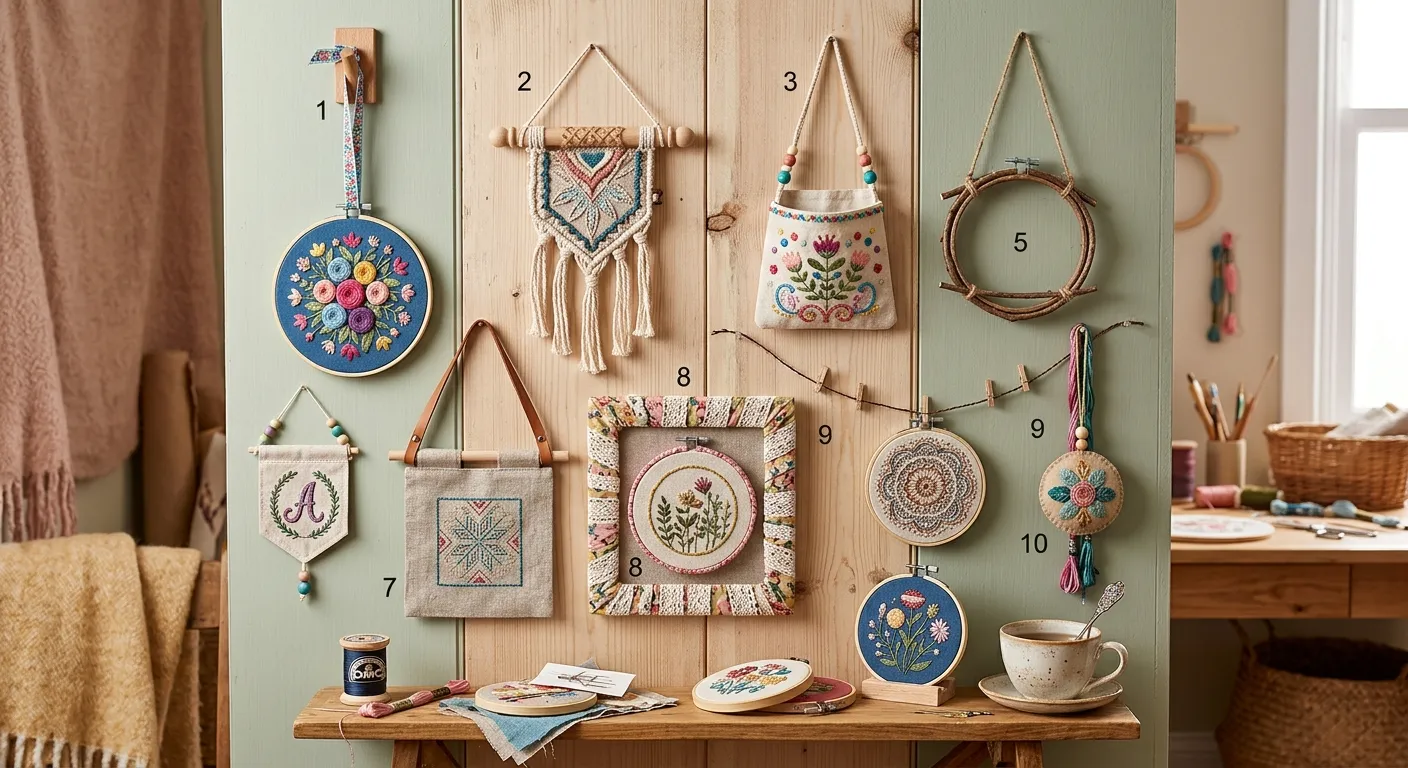
Embroidery is remarkably display-friendly when you break away from the traditional frame. There are many thoughtful, frame-free ways to finish and showcase your stitching that…
When you plan a cross-stitch project, choosing the right floss brand can influence color matching, availability, and the overall look of the finished piece. DMC…
Cross-stitching is a timeless craft that combines creativity, relaxation, and a sense of accomplishment. Whether you’re creating a small decorative piece or an intricate wall…
The Art of Blackwork Embroidery: History, Patterns, and Beginner Tips Blackwork embroidery is a timeless form of needlework that uses black thread on light fabric…